Any home or business owner should be aware of their legal obligations when it comes to the safety of their electrical appliances. While landlords are required to obtain EICR certificates every 5 years, there’s little else in UK law to dictate how often your should seek electrical inspection. There’s a common misconception that businesses are required by law to get PAT testing once per year. It may not be a legal requirement, but it is still extremely important.
How Often Should Businesses Get PAT Testing?
Don’t be fooled into thinking that because PAT testing isn’t legally required, it isn’t a priority to get done. The law does dictate that all electrical equipment that has the potential to cause harm is well-maintained and in safe condition. The best way to meet this requirement is to ensure you get a qualified electrician to carry out PAT testing once per year.
What Are Electrical Inspections?
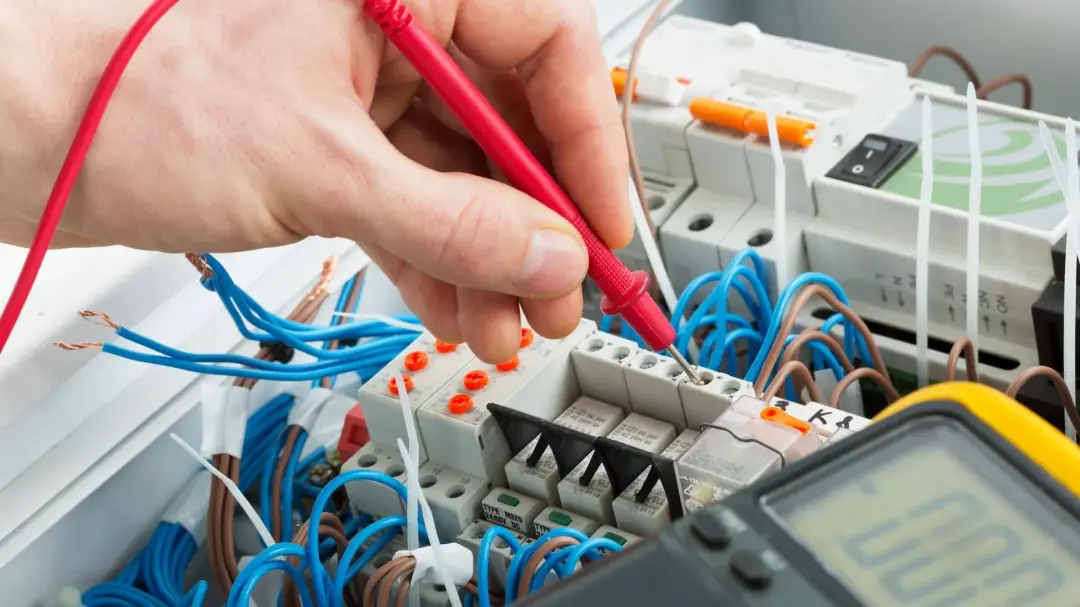
An electrical inspection service could look like an EICR report, PAT testing or a close assessment of a particular part of your system. If you’ve called an electrician out because you have a specific concern, they might only need to look at that one part to discover what the issue is. However, if your concerns are more general, the inspection will cover all of your electrics.
When Should You Get Electrical Inspections?
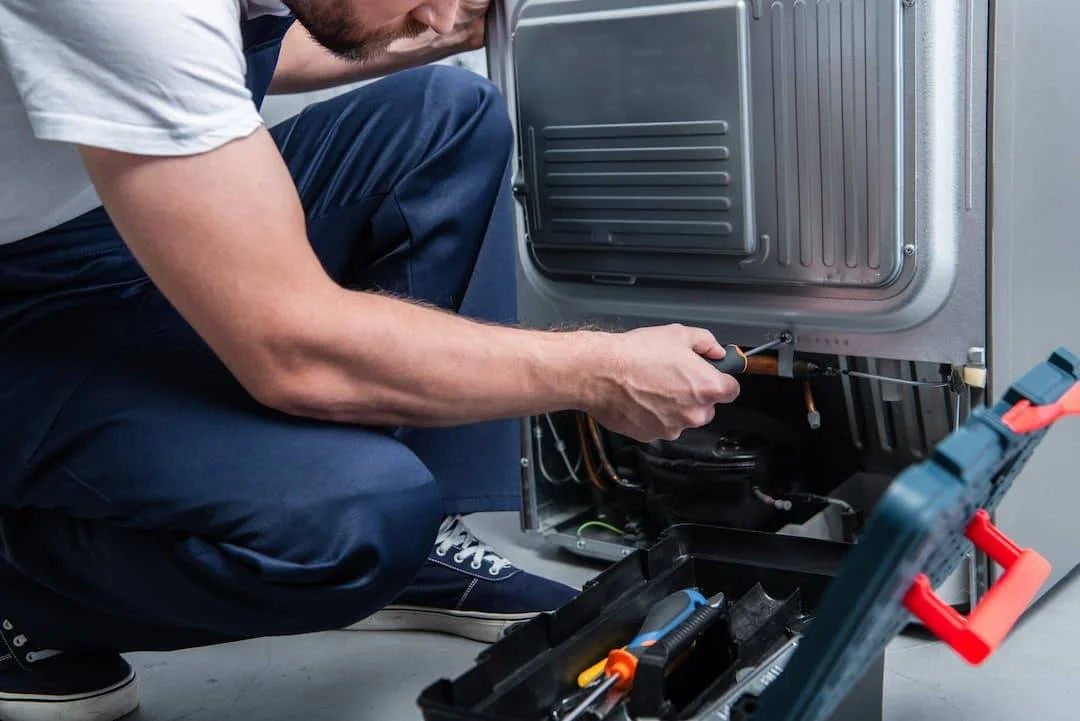
While it’s not a legal requirement to have regular electrical inspections, they are the only way for you to ensure your property is safe. Without calling in a qualified electrician to assess your home, you’ll never really know what problems could be brewing under the surface.
Landlords should get an inspection before preparing for a new tenant, and any homeowner should do the same before putting their property up for sale. For those staying put, an electrical inspection every 10 years is recommended. That is, unless you have a swimming pool. Because pools combine water and electricity, these need to be inspected once per year to ensure they remain safe and fit for use.
What The Law Actually Says
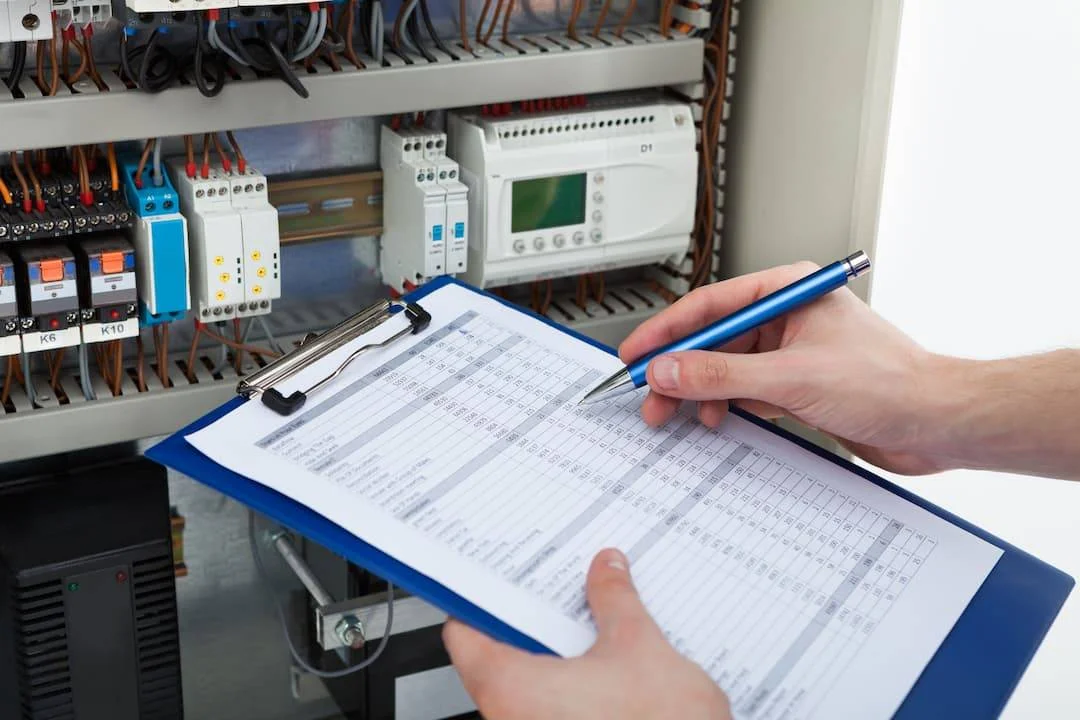
The rule that applies to businesses is the Electricity at Work Regulations 1989. It requires employers to maintain their electrical systems and equipment so that, as far as is reasonably practicable, they do not cause danger. The regulations do not set a fixed date for testing. Instead, how often equipment is checked should depend on what it is, where it is used and how much wear it gets. Keeping a record of inspections and tests is the clearest way to show that you have taken your duty seriously.
What Happens During A PAT Test?
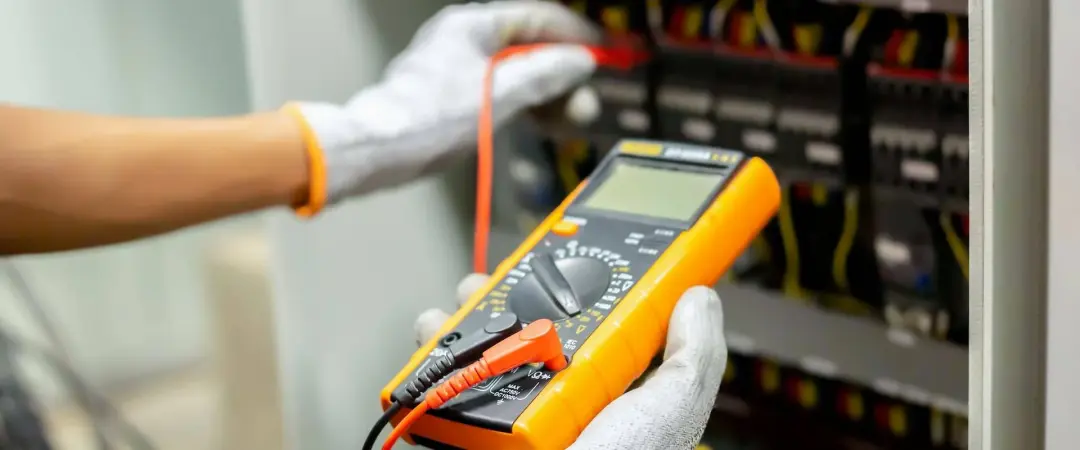
A PAT test starts with a careful visual inspection of each appliance. We check the plug, the cable and the casing for damage, signs of overheating, loose connections and the correct fuse. We then use a dedicated PAT tester to measure earth continuity and insulation resistance where they apply, and check the polarity of extension leads. Every item is labelled with its result and the test date, and you receive a record of what was tested, so you can see at a glance what passed and what needs repair or replacing.
Which Equipment Needs Checking More Often?
Not every appliance carries the same risk. Handheld tools, kettles, heaters and extension leads that are moved around, plugged in and out or used in harsh conditions wear faster, so they need checking more often. Equipment that rarely moves, such as a computer on an office desk, generally needs checking less often. We can look at the equipment on your premises in Ludlow and recommend a sensible schedule, so you are not paying for more tests than you need or leaving risky items unchecked.
For Electrical Inspections & PAT Testing, Call R.A.I.T Electrical
If you need to schedule an electrical inspection in your property, give us a call today. Our team of qualified electricians can carry out a number of services that will ensure your home is safe.