It’s no secret that electricity can be dangerous in the wrong hands. If that wasn’t enough, it can also pose a risk when it’s been left without maintenance for too long. This poses the question – is regular electrical testing a legal obligation for all property owners? You may be surprised to hear that it’s not an enforced requirement for homeowners. However, you do need to ensure that your electrics are safe and fit for purpose. Let’s take a closer look at how you should care for your electrical systems.
Get Regular Electrical Testing
Although it’s true that homeowners are not legally obliged to get electrical testing, it is a requirement that your electrics are safe. The only way to know this for certain is to have a qualified electrician inspect and test your systems. Therefore, you really should treat this service as a legal obligation. At minimum, we recommend getting your electrics tested every 5 years.
If you are a landlord, you are legally required to provide a copy of an electrical safety report to your tenants or local authority when requested. This report can be no older than 5 years.
What Is An Electrical Test?
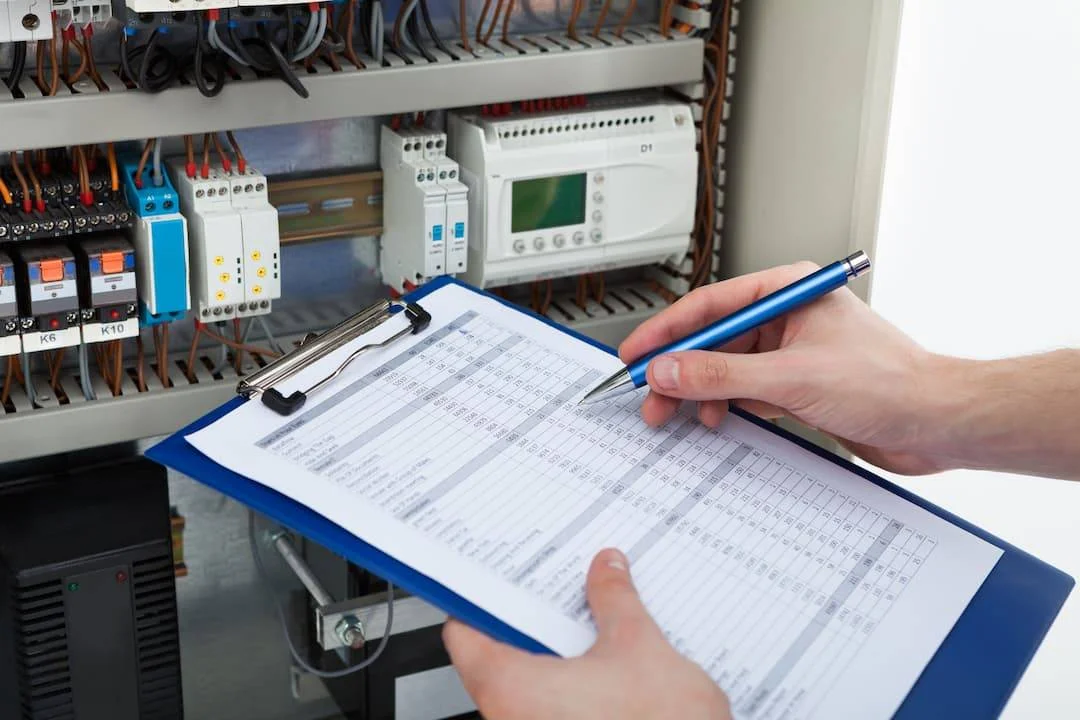
The standard test in the UK is called an EICR. This stands for Electrical Installation Condition Report. It covers the basic elements of electrical safety and ensures your property meets the minimum requirements. You’ll receive a full report which shows you how your electrics are performing. This allows you to seek out quotes for any repairs or replacements that you need. Regular EICRs can save you a lot of money in the long run, as they’re an inexpensive service and can identify problems before they become more serious and labour-intensive to repair.
What Will An EICR Look For?
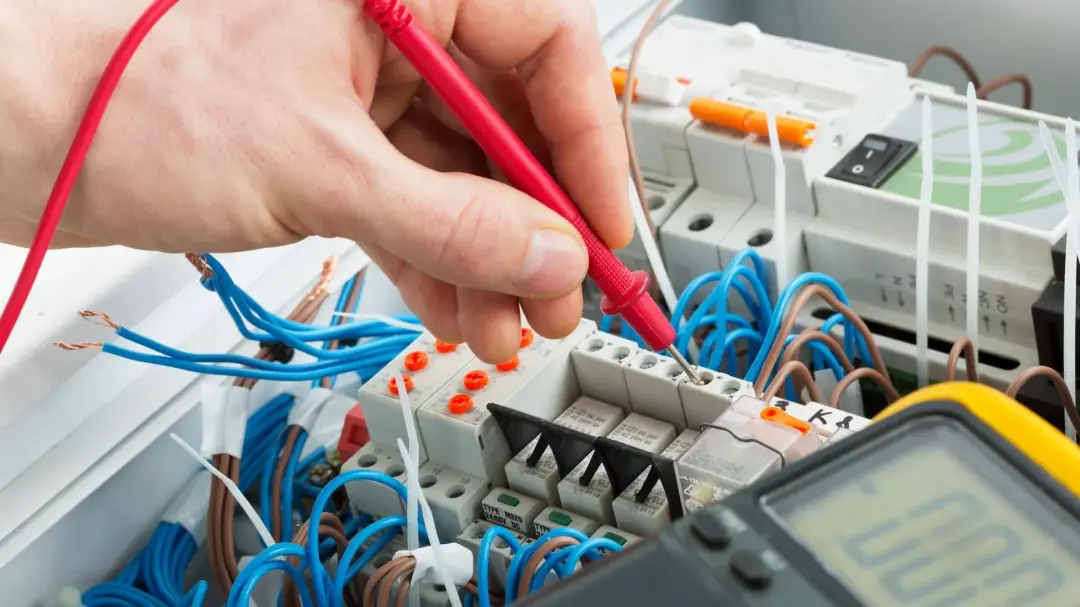
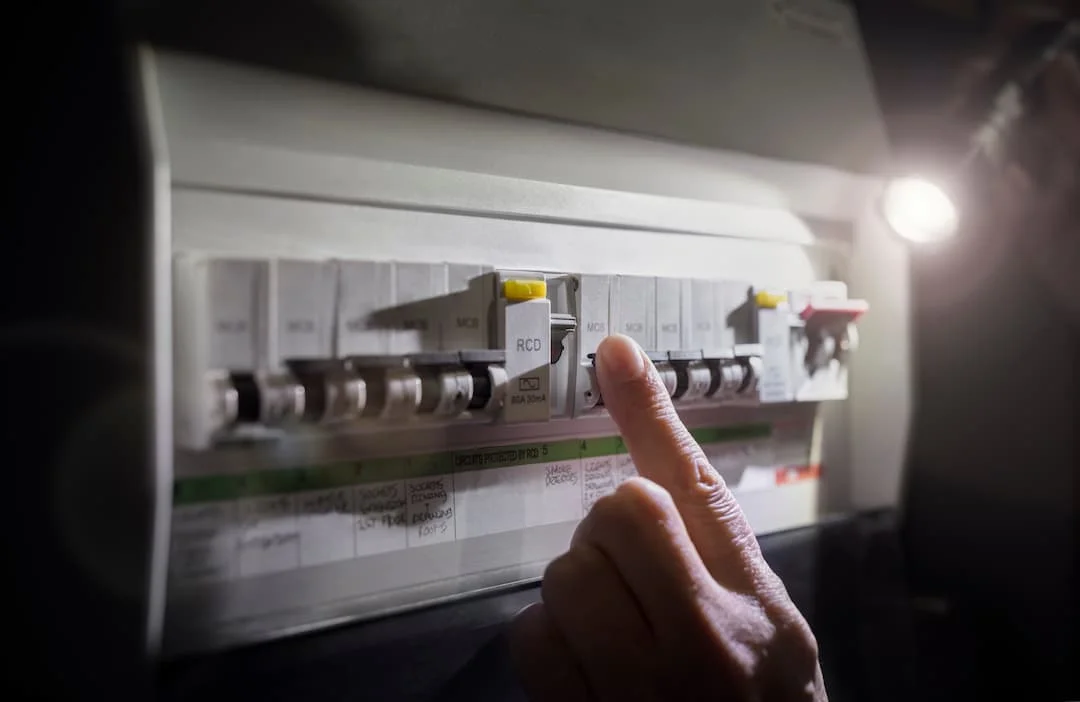
All fixed electrical components will be subject to electrical testing. This includes the wires, plug sockets, light fittings and fuse boxes. It also includes electric showers and extractor fans, and any other electrical item that’s permanently fitted to the property. They’ll be checked for any hazards or defective parts. The test will find overloaded units, electric shock or fire risks and other issues that could occur.
What Landlords Must Do
In England, the Electrical Safety Standards in the Private Rented Sector Regulations 2020 require landlords to have the electrical installation in a rented property inspected and tested by a qualified person at least every five years. A copy of the report must go to existing tenants within 28 days, to new tenants before they move in, and to the local authority within seven days if it asks for one. If the report calls for remedial work, that work must be carried out within 28 days, or sooner if the report says so.
Understanding The Codes On Your Report
Every observation on an EICR is given a code. C1 means danger is present and immediate action is needed. C2 means a fault is potentially dangerous and should be put right urgently. C3 means an improvement is recommended but the installation is not unsafe because of it. FI means further investigation is needed. A report with any C1, C2 or FI observation is marked unsatisfactory, and our electricians will explain each item and what it takes to fix it.
When To Test Sooner
Five years is a guide, not a guarantee. It is worth booking a test sooner if you have just bought an older property, if your consumer unit still has rewireable fuses, if circuits are not protected by an RCD, or if you notice flickering lights, scorch marks or breakers that keep tripping. A test is also wise after flooding or major building work. R.A.I.T Electrical carries out electrical inspection and testing for homes and landlords across Ludlow and the surrounding areas.
For Electrical Testing, Choose R.A.I.T Electrical
Whether you’re a landlord that’s legally required to get electrical testing or a homeowner that wants to be responsible, you can schedule your test with us. Our team of competent electricians can carry out all necessary checks and ensure that your property is safe.